
EXPERTS
There is a diverse network of experienced and dedicated experts across multiple disciplines. Experts and collaborators bring deep subject-matter expertise, strong analytical skills, and a commitment to excellence, fostering an environment that delivers high-quality, credible, and dependable services to our clients.
Each expert possesses specialized knowledge and proven ability to generate practical, data-driven, and context-responsive solutions. They have extensive experience with government agencies, development partners, the private sector, and non-governmental organizations, both nationally and internationally. With this collective expertise, we can deliver impactful research, program and project design, monitoring and evaluation, and strategic consulting services.
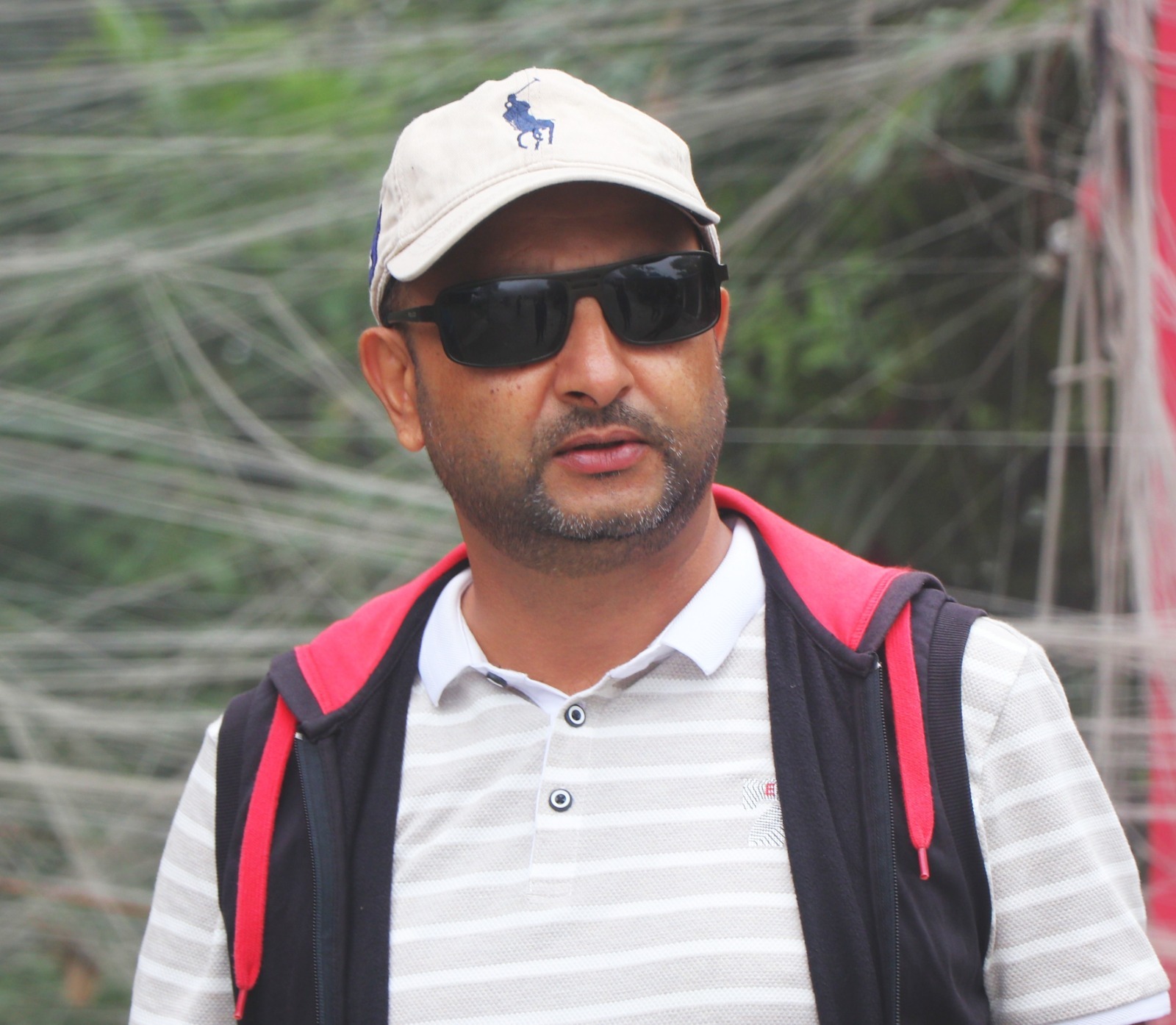
Bharat Prasad Nepal, Nepal
Bharat Prasad Nepal is a senior development practitioner with over 25 years of experience in agriculture, livelihoods, and community development in Nepal, focusing on improving the socio-economic status of smallholder farmers, women, and marginalized groups through inclusive and sustainable strategies. He has expertise in value chain and market development, participatory market system development (PMSD), enterprise promotion, and food security, working with donors and partners like USAID, JICA, ILO, DFID/UKAID, and iDE Nepal. Mr. Nepal has led project design, research, field supervision, stakeholder coordination, and capacity building, and has trained practitioners, government officials, and community actors in market systems, gender-responsive, and nutrition-sensitive approaches. Committed to inclusive growth and resilient livelihoods, he integrates research, practice, and leadership to create lasting development impact.
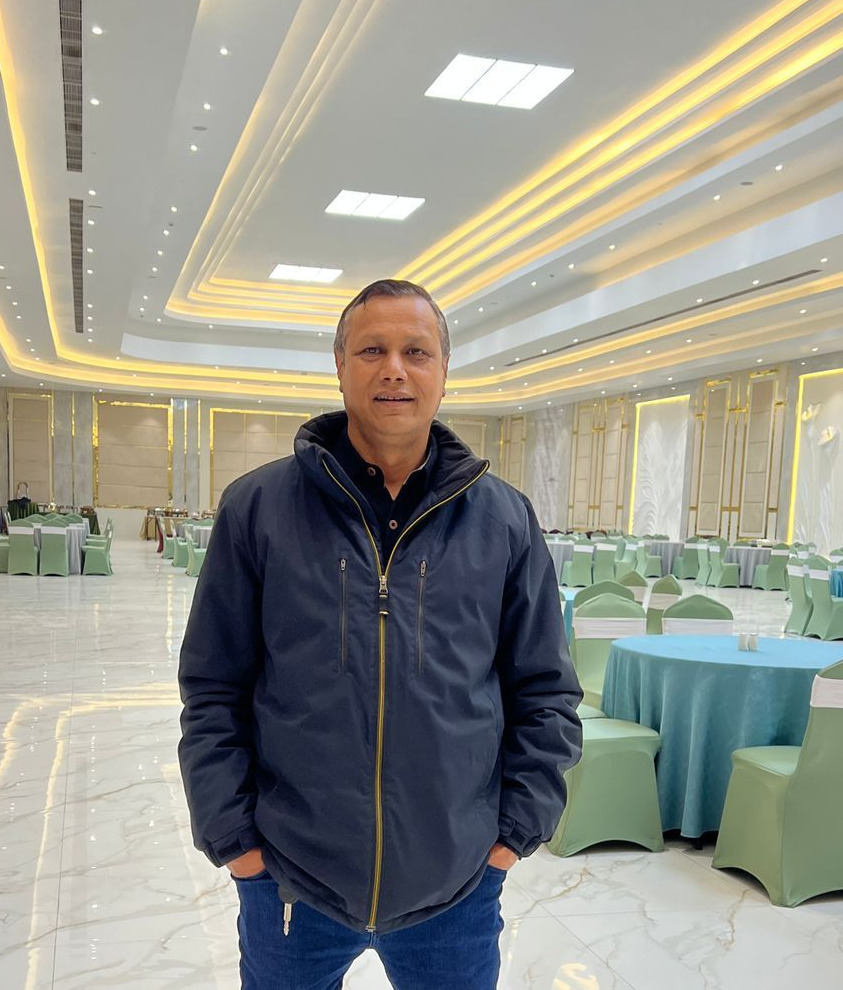
Er. Rupendra Basnet, Nepal
Er. Rupendra Basnet is a seasoned disaster risk reduction (DRR) professional with over two decades of experience leading and advising on resilience, preparedness, and post-disaster recovery initiatives across Nepal. Since 2005, he has worked with national and international NGOs, UN agencies, and as a consultant, designing and managing donor-funded programs focused on inclusive DRR, climate change adaptation, early warning and early action systems, and community- and school-based disaster risk management. He has served as Program/Project Manager and Team Leader for major earthquake and flood response, risk reduction, and reconstruction programs, with a strong emphasis on safer, barrier-free, and climate-smart infrastructure. His expertise spans seismic safety, strengthening emergency response capacity from the community to the national level, and applied research on inclusion and preparedness.
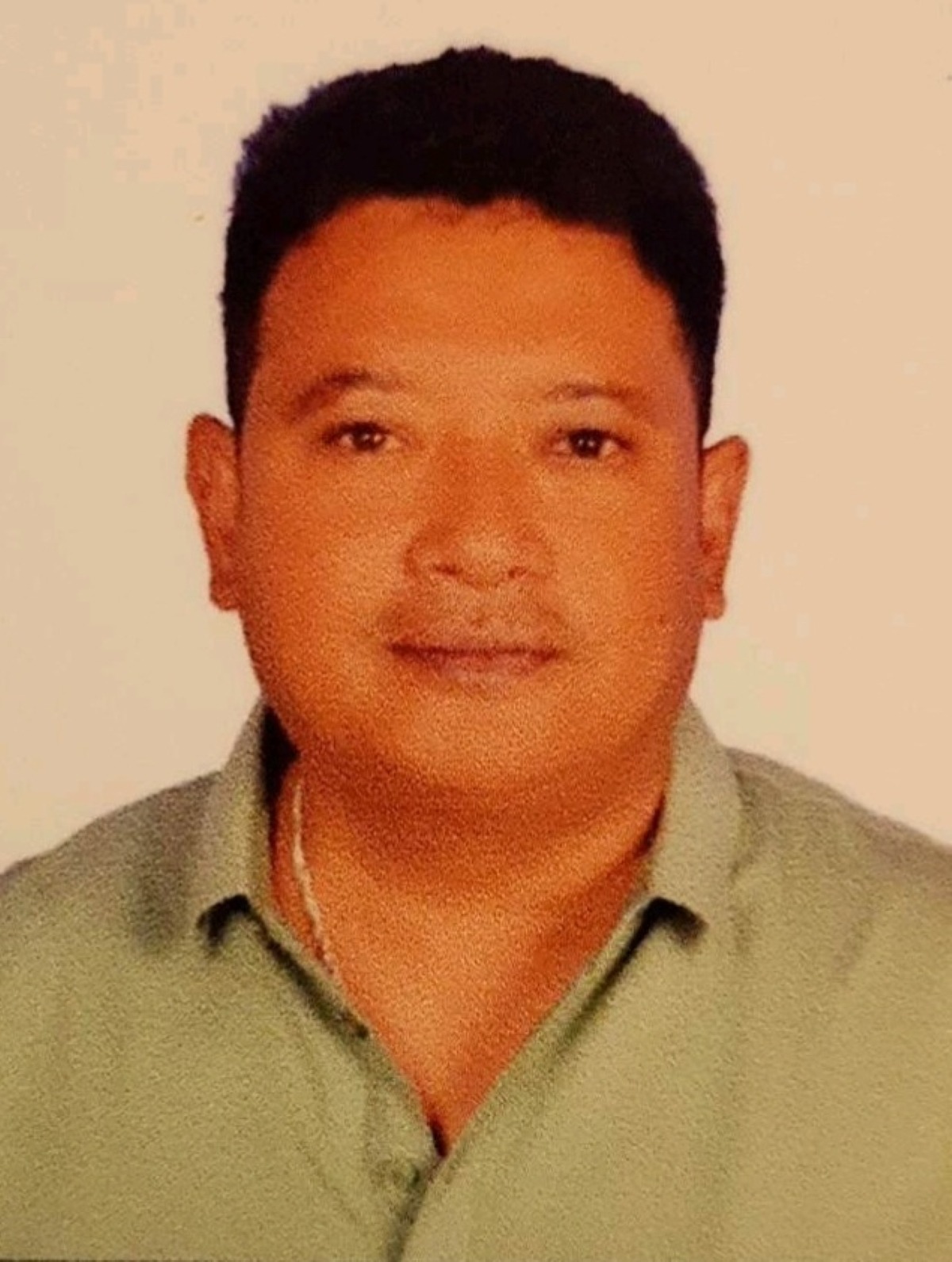
Nawjeet B. Karmacharya, Nepal
Nawjeet is a highly seasoned child protection and anti-trafficking specialist with over 28 years of progressive experience across Nepal and the region. His leadership in managing child trafficking, commercial sexual exploitation of children (CSEC), child labor, and alternative care programs—combined with direct experience conducting prevalence studies and action research with international universities—positions him as a subject-matter expert for Tip and protection assessments. Nawjeet has facilitated countless cross-border workshops with government authorities in Nepal, India, and Bangladesh, demonstrating strong communication, negotiation, and capacity-building capabilities. His contributions to global, regional, and national child protection policies, standards, and evaluations further illustrate his strong analytical and technical writing skills. Throughout his career, he has consistently applied ethical principles such as confidentiality, dignity, informed consent, and child participation, demonstrating a deep commitment to safeguarding vulnerable children and survivors. His vast practical experience, policy insight, and trauma-informed facilitation abilities make him a critical strength to the team.
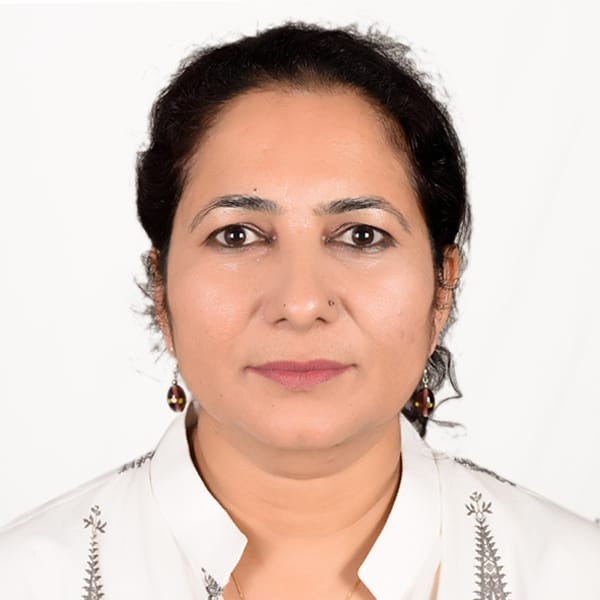
Meenakshi Dahal, PhD, Nepal
Meenakshi Dahal, PhD, is a distinguished education and early childhood development specialist with extensive experience in designing, implementing, and evaluating education programs across Nepal, including conflict-affected and remote districts. She has provided technical support to national and international organizations such as UNICEF, World Bank, Plan International, and WHO, focusing on early childhood development, quality education, teacher training, curriculum development, and inclusive learning. As a member of the Curriculum Development Committee of the Ministry of Education and a visiting faculty at Kathmandu University School of Education, she has led policy research, participatory evaluations, and capacity-building initiatives that strengthen coordination between government, civil society, and local communities. Dr. Dahal has also contributed to projects integrating child protection, gender responsiveness, WASH, and psychosocial support, ensuring holistic development and equitable access to quality education. Her work has been recognized nationally and internationally, demonstrating her ability to drive evidence-based, context-sensitive interventions in education and child development.
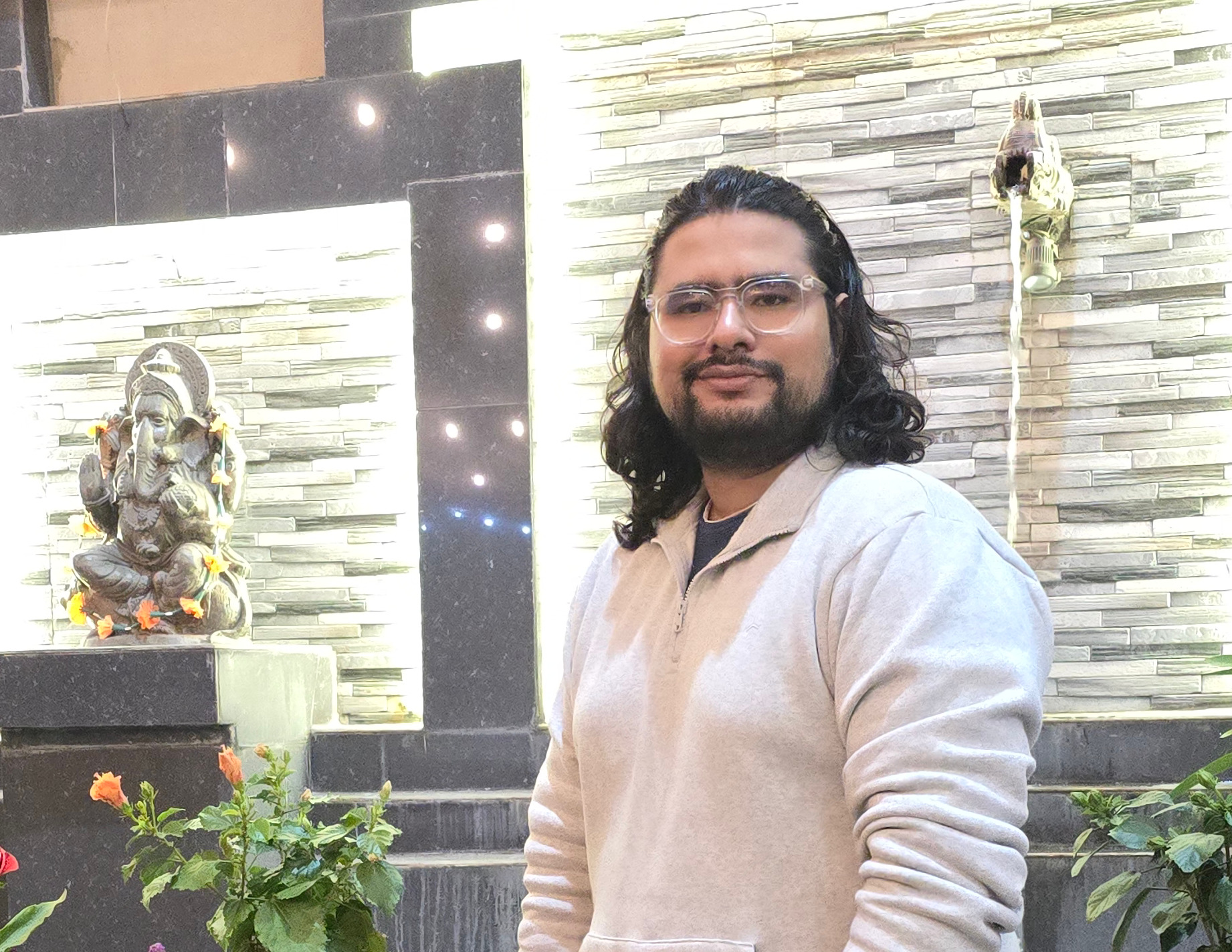
Sukrit Pant, Nepal
Mr. Sukrit Pant with over 8 years of hands-on experience working in various development initiatives for NGOs such as Save the Children, WWF, American Red Cross, Freedom Fund and many more. He has expertise in designing and executing data-driven impact assessment, optimizing survey methodologies and using advanced data analytics to create actionable insights for social projects. He is also proficient in determining statistically sound sample size, cleaning, and transforming and analysis data for reporting. Sukrit Pant is effective and efficient in using SPSS and Excel for data analytics with ability to using Python for more complex analysis. Mr. Pant is experiencee with Kobo Tool Box for mobile-based data collection, where he can design and deploy surveys using similar tools. Along with his work experience, he has a Master’s degree in Governance of Digitalization from Åbo Akademi University, Turku, Finland which has added to his data analytics credentials and outside working in development sector related data analytics; he also has Business Analytics and research background from other institutions based in Nepal and Finland.
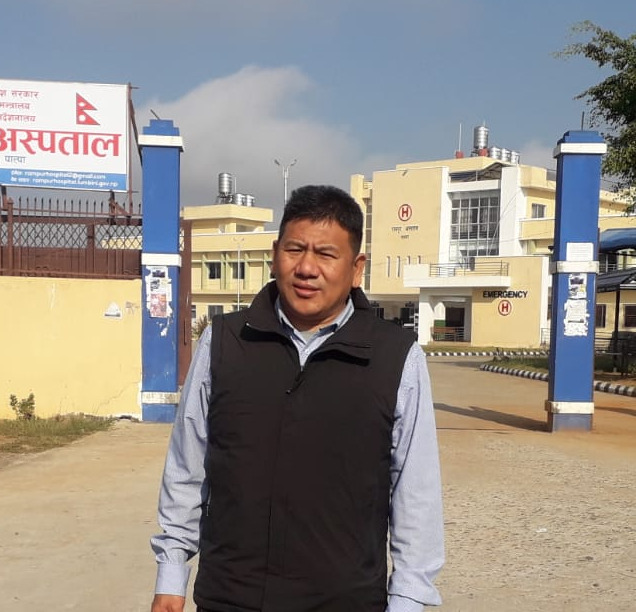
Bishnu Kumar Sinjali, PhD, Nepal
Dr. Sinjali, is a senior public health and health systems expert with over 25 years of experience in health service delivery, public health planning, monitoring and evaluation, and community health programs in Nepal. He holds a PhD in Sociology with a specialization in health, illness, and medication practices, along with a Master of Public Health and advanced training in health management and epidemiology. Dr. Sinjali has led and advised hospital management, community health initiatives, and COVID-19 response programs, and has extensive experience working with government institutions, international development partners, and community organizations. His expertise includes health systems strengthening, health equity, indigenous and marginalized population health, health safeguards, and evidence-based policy support. He has contributed to numerous health studies, trainings, and publications, and brings strong field-based insight into improving access, quality, and accountability in health care delivery.
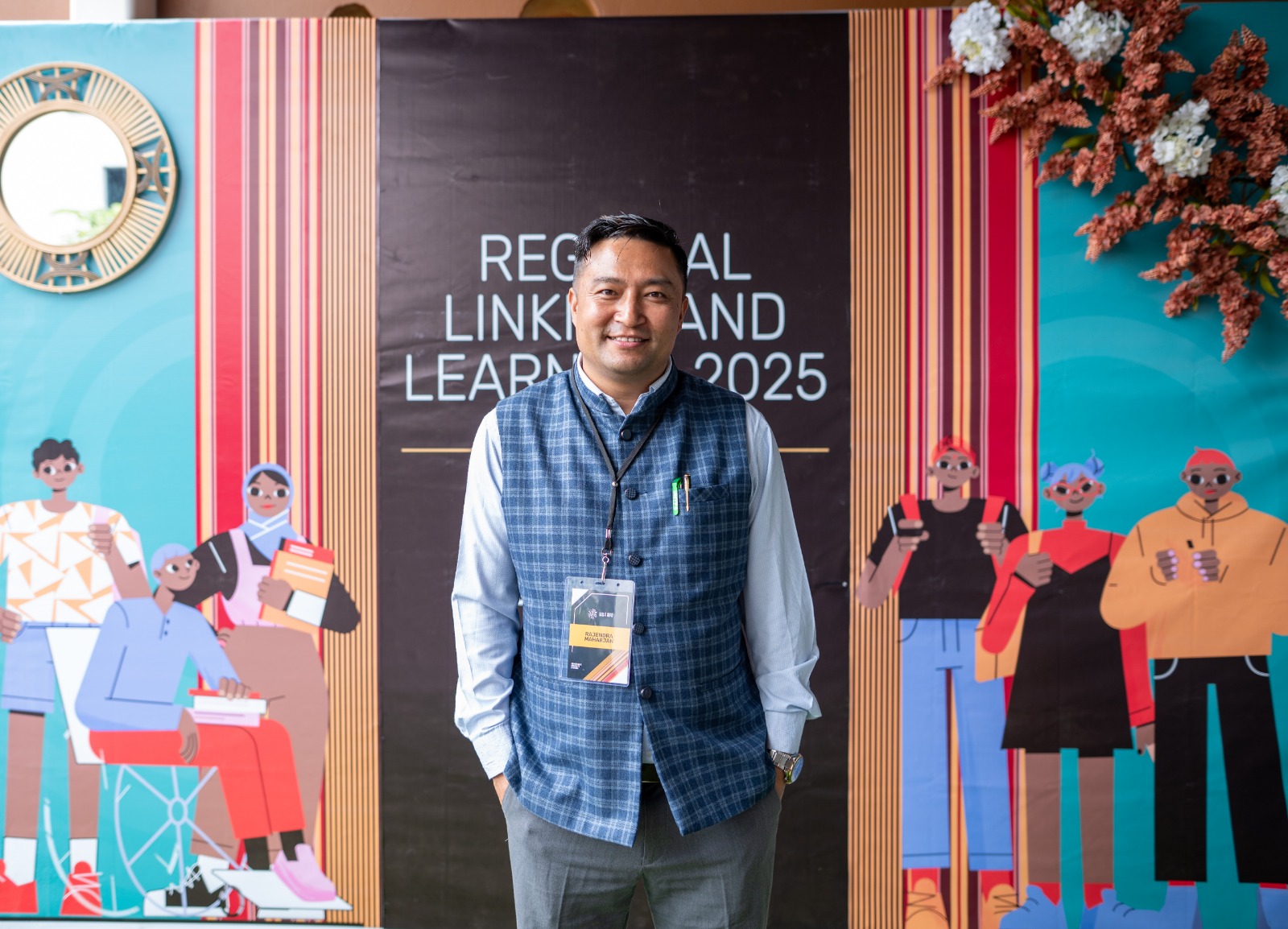
Rajendra Maharjan, Nepal
Rajendra is a seasoned Programme Specialist and Partnership Management Expert with over 13 years of experience in project cycle management, policy advocacy, and multi-stakeholder coordination within Nepal’s federal governance context. He has successfully led large-scale national coalitions, managed donor-funded programs exceeding NPR 120 million, and strengthened civil society engagement with government institutions, UN agencies, and diplomatic missions. Known for his strategic acumen and results-oriented leadership, Rajendra’s work bridges civic space, institutional accountability, and policy dialogue — advancing inclusive, rights-based development through collaboration and evidence-driven advocacy.
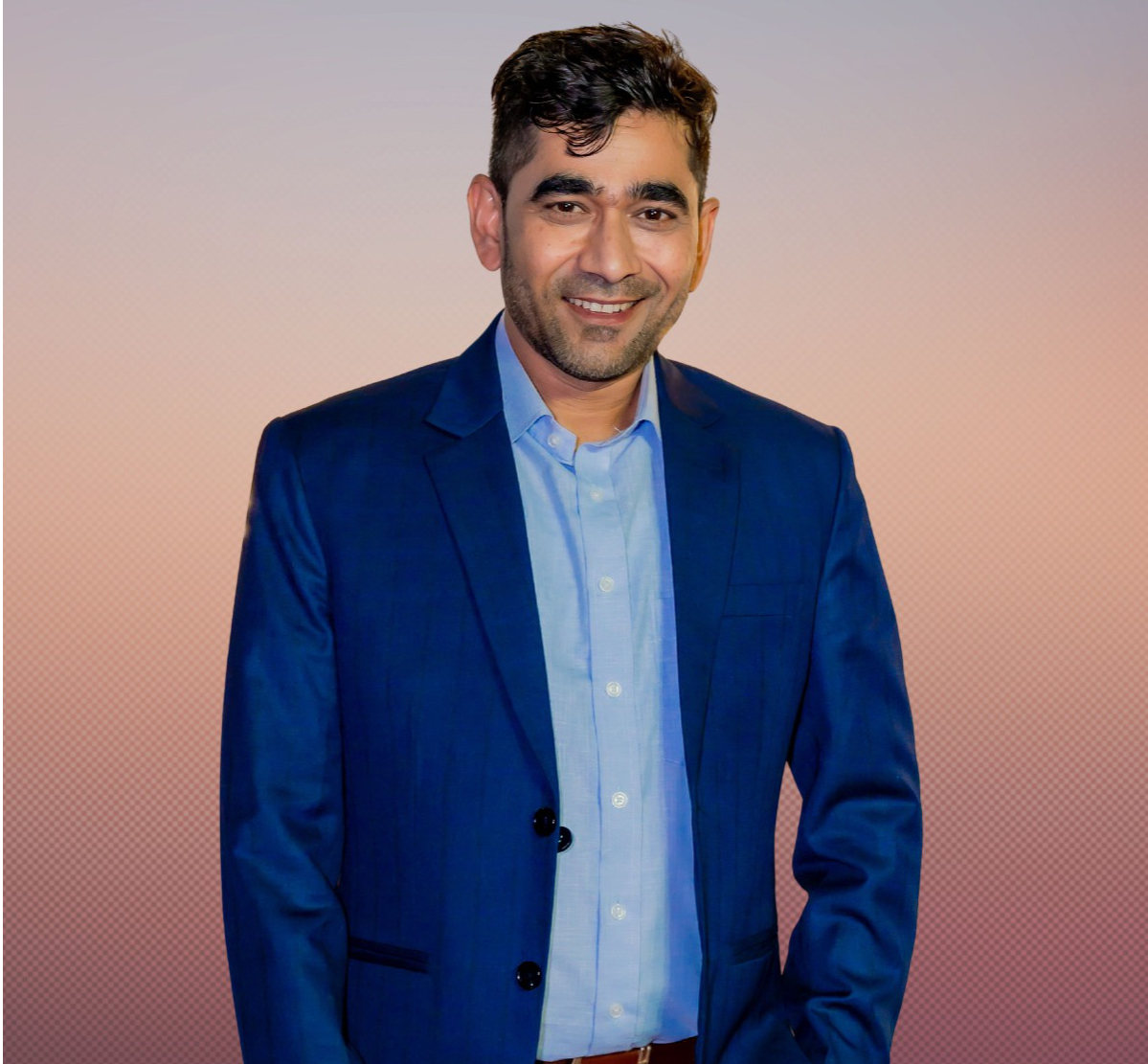
Prakash Luitel, Nepal
Mr. Prakash Luitel is a seasoned media and communications specialist with over 20 years of experience. His background spans strategic communications, Social and Behaviour Change Communication (SBCC), knowledge management, multimedia production, and journalism. Holding a master's degree in journalism and mass communication, he has worked with government agencies, development partners, national and international NGOs, and media organisations, including full-time roles at Search for Common Ground, UNFPA, Winrock International, and Iris Group International, and consulting assignments with ADB, BBC Media Action, International Alert, Prevention Collaborative, WFP, and IDS Nepal. His expertise covers communication strategy development, SBCC programming, social media and digital communication, media outreach, IEC and advocacy materials, and capacity building in communications and journalism. Fluent in Nepali and English, he has led the design of television and radio series, documentaries, PSAs, digital campaigns, and innovative learning tools such as comic books and game books, and is a co-author of an experiential learning manual on collaborative leadership and governance and a published article on Menstrual Hygiene Management in the workplace, reflecting his commitment to evidence-based, impactful communication for gender equality, social inclusion, good governance, and sustainable development.
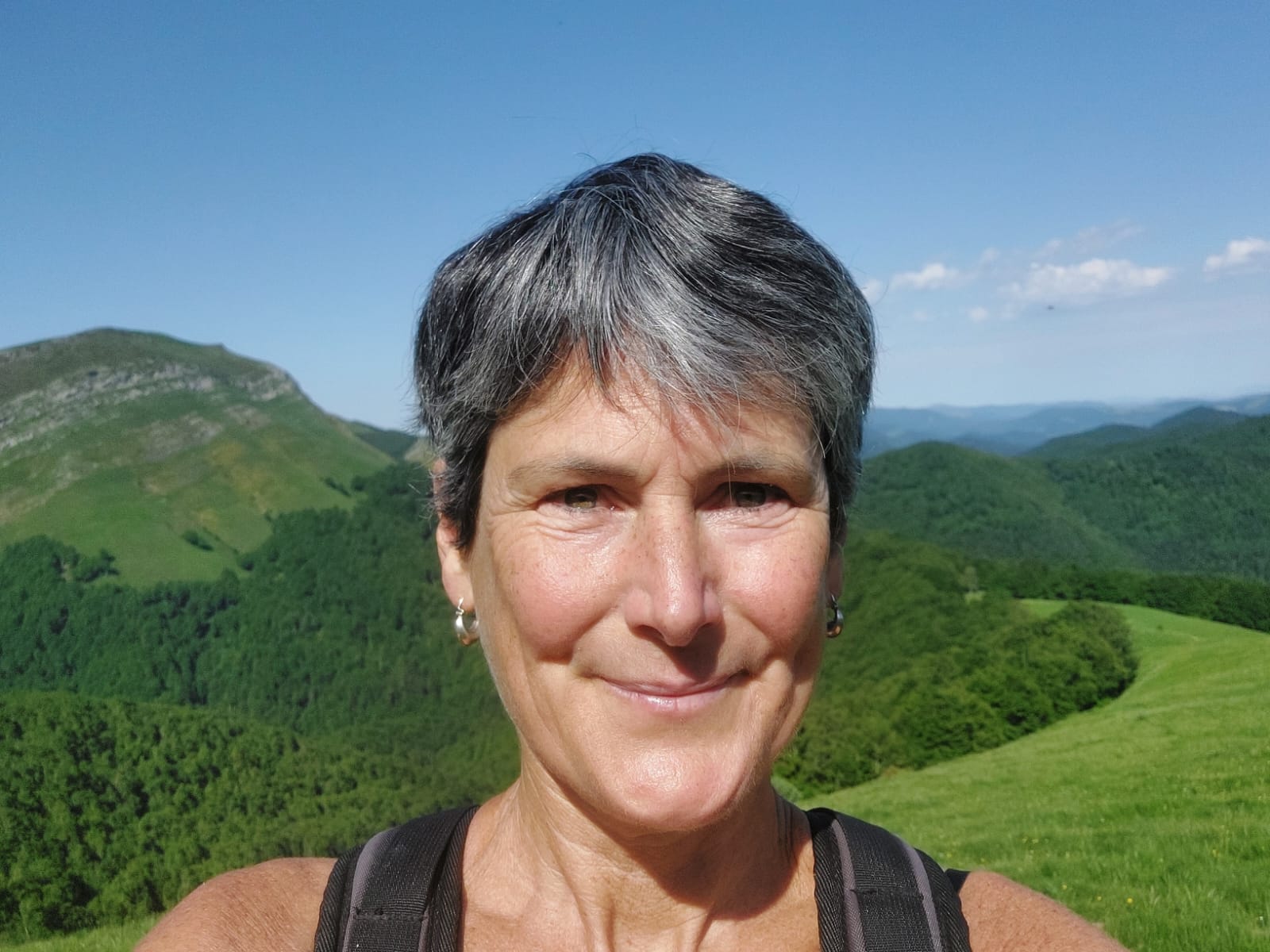
Claire O’Kane, France/Wales
Claire O’Kane is an international child rights, protection and participation practitioner and researcher with 30 years of experience working with children, young people in their socio-ecological systems across the triple nexus of development, humanitarian and peacebuilding work. She is a qualified social worker with a Bachelor’s degree in Psychology, a Masters in Applied Social Studies, and a post-graduate diploma in social research and evaluation from UK universities. Claire is a passionate believer in the power of child and youth agency, children’s collective organising and intergenerational collaborations for rights, social justice and climate justice. Claire works in a respectful, strength-based way to value and build upon diversity and power sharing for more transformative and sustainable results. She is an author of more than 100 publications on children’s rights, participation, protection, peacebuilding, climate justice, research ethics and participatory evaluations.
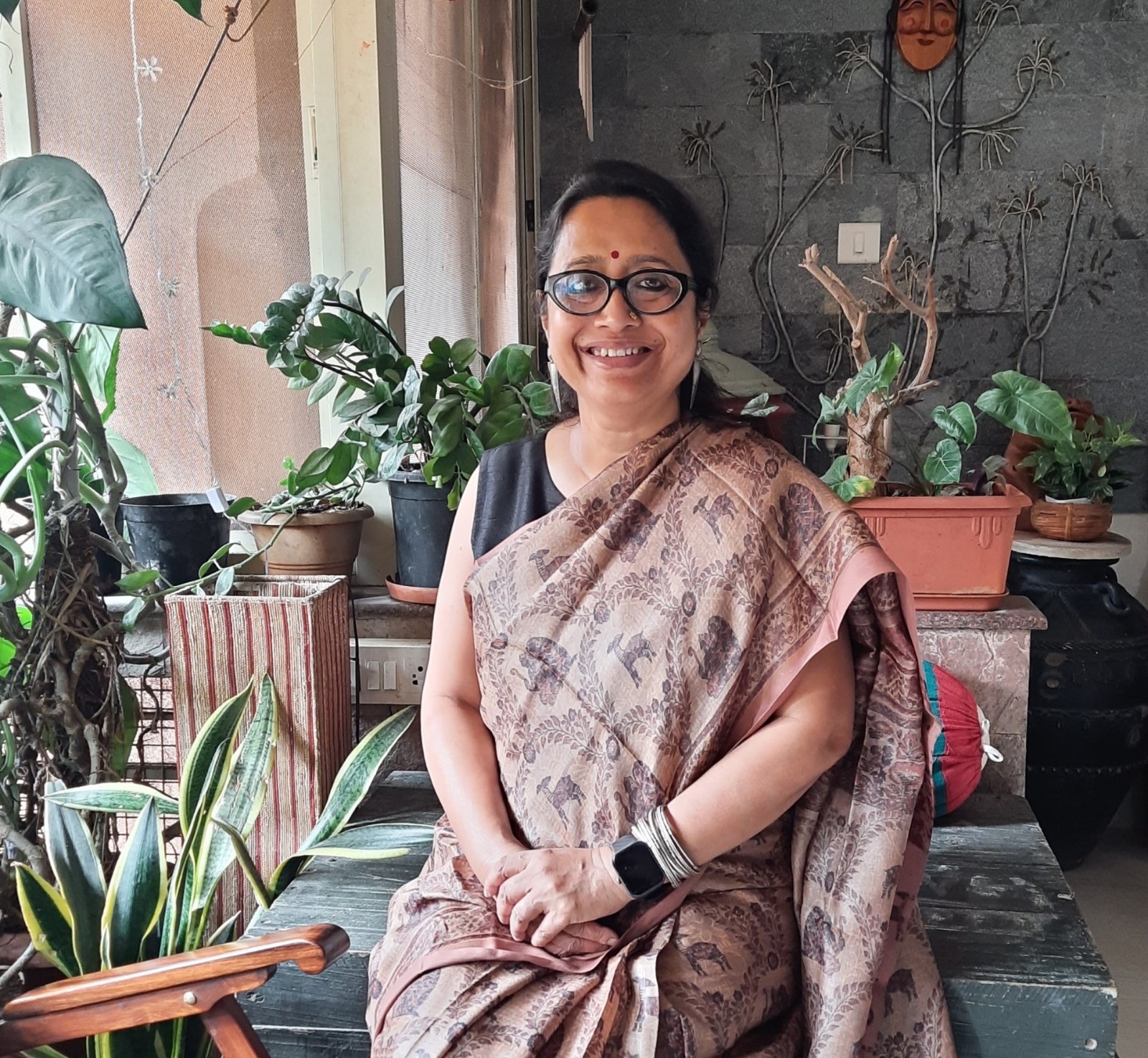
Ananya Dasgupta, India
With nearly three decades of direct engagement in child rights, legal research, and policy analysis, A. Dasgupta brings exceptional depth and credibility to the team. Their expertise spans child protection, sexual exploitation, and trafficking, built on a strong academic foundation and extensive work with NGOs, international organizations, and government stakeholders. Dasgupta has a distinguished track record managing and conducting complex qualitative research and evaluations across India, including major assignments with Plan International, Terre des Hommes, Enfold, and APPI. Their work incorporates participatory methodologies such as outcome harvesting, appreciative inquiry, and most significant change, demonstrating methodological rigor and adaptability. Years of facilitating life-skills, personal safety, and gender-sensitivity sessions with children and adults have refined their communication skills and trauma-informed approach. Known for strong analytical abilities, high-quality English report writing, and unwavering commitment to ethical research practice, Dasgupta brings both technical excellence and a deeply empathetic, child-centered lens to the team.
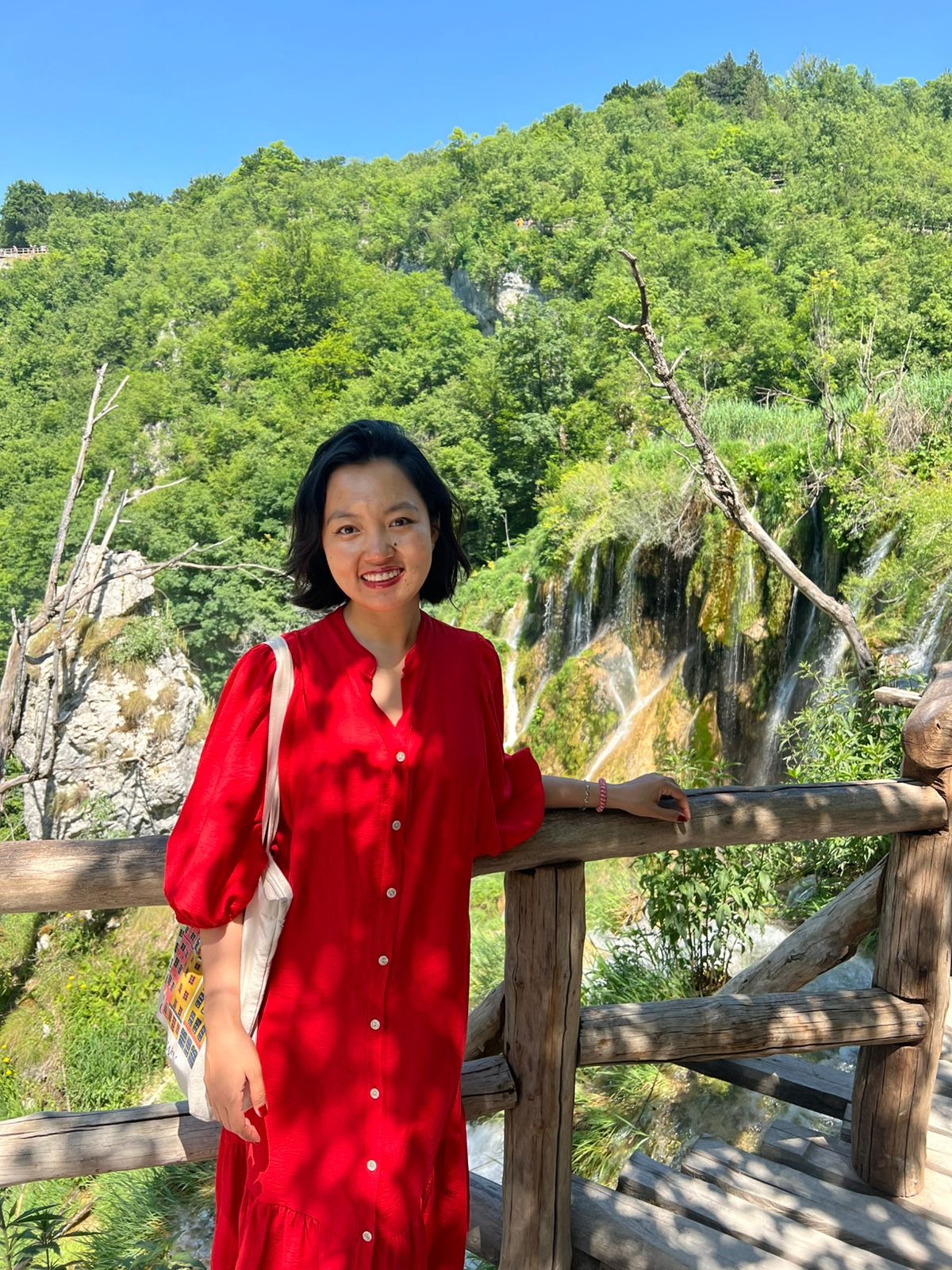
Sutapa Chakma, Bangladesh
Sutapa brings a strong blend of protection expertise, research capability, and ethical sensitivity that makes her a valuable asset to the team. With experience rooted in gender-based violence programming and close collaboration with child protection actors, she demonstrates deep understanding of children’s rights, safeguarding principles, PSEA, and safe referral pathways. Her research background—including a feminist qualitative study on economic violence against Indigenous women—shows her ability to design and manage rigorous, intersectional studies grounded in human rights analysis. Sutapa’s proven ability to work effectively with NGOs, government institutions and community actors reflects her strong facilitation and communication skills, backed by a trauma-informed and survivor-centered mindset. Her advanced analytical and technical writing skills, strengthened through a Master’s in Human Rights in Europe, ensure that she produces high-quality, well-structured reports. Importantly, her consistent adherence to ethical research standards and commitment to confidentiality, informed consent, and do-no-harm make her particularly well suited to work with vulnerable groups, including children and survivors.
Hasan Imam, Bangladesh
Hassan Imam is a seasoned development practitioner with over 30 years of experience, spanning leadership roles in NGOs, INGOs, and independent consultancy across Bangladesh and the region. His expertise covers strategic and program management, organizational development, sustainability planning, capacity building, social and behaviour change communication, research and evaluation, advocacy, partnerships, and media relations, with thematic strengths in migration and development, human trafficking, public health, social enterprise, human rights, youth engagement, and gender equality. Over the years, he has worked closely with the Government of Bangladesh, UN agencies, major donors, and leading organizations such as IOM, ILO, UNDP, UN Women, Save the Children, CARE, Helvetas, World Vision, BRAC, and Manusher Jonno Foundation, including serving as Head of Migration Program at BRAC. A long-standing advocate for safe migration and migrants’ rights, he is actively engaged in national and international platforms, including MHADRI–IOM and the Bangladesh Civil Society on Migration, and previously served as President of the National Alliance for Migrants’ Rights.
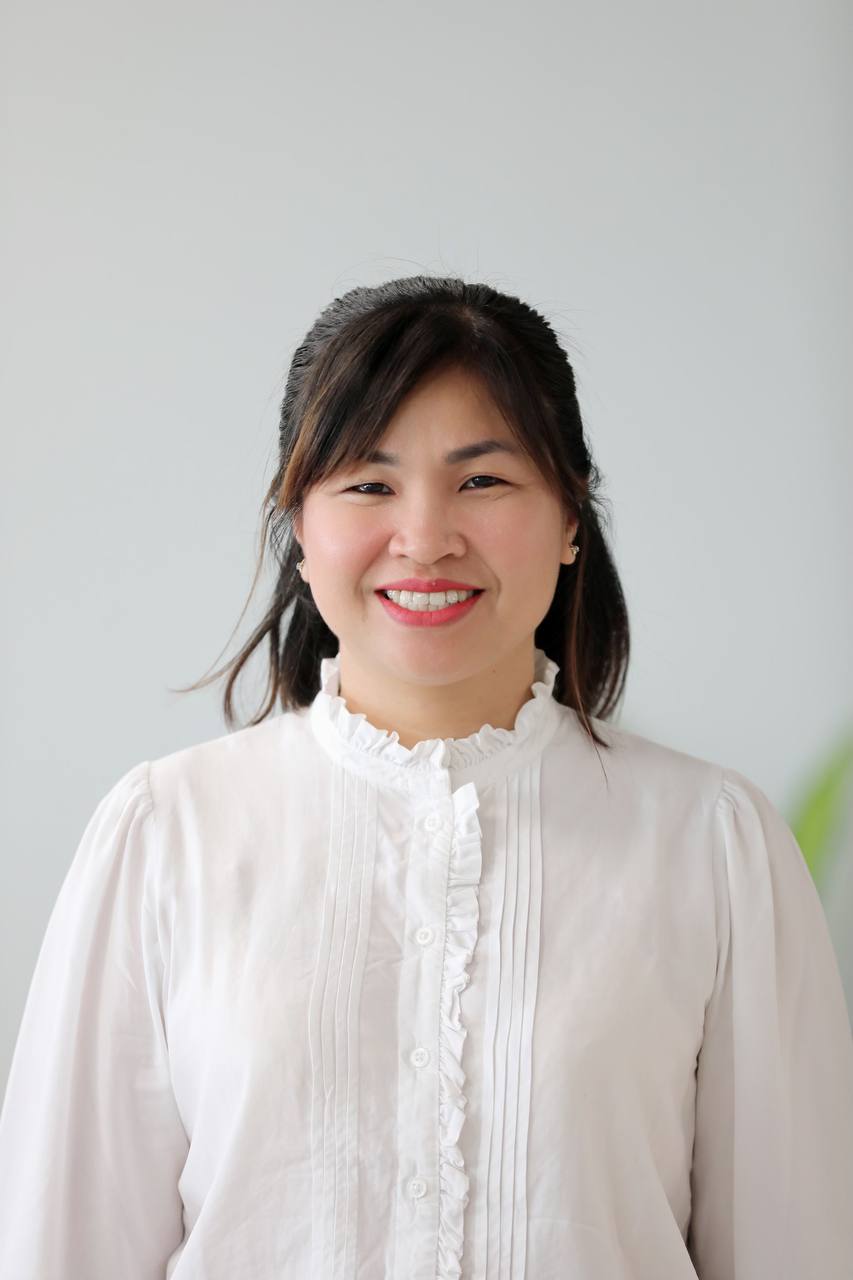
Malen Tuon, Cambodia
Malen, brings over 15 years of professional experience across education, health, agriculture, and community development, with strong expertise in project implementation, donor compliance, and operational management. She has actively supported research and data collection, including field surveys, interviews, transcription, synthesis, and analysis to produce actionable insights and impact narratives. Malen possesses specialized skills in gender equity, disability inclusion, and participatory evaluation methodologies, combining qualitative and quantitative research proficiency. Her extensive knowledge of Cambodia’s socio-economic and education context, engagement with government institutions, local authorities, schools, and marginalized communities, enables her to contribute effectively to data quality assurance, field coordination, and evidence-based reporting. Malen’s experience ensures rigorous, culturally sensitive, and actionable evaluation support.
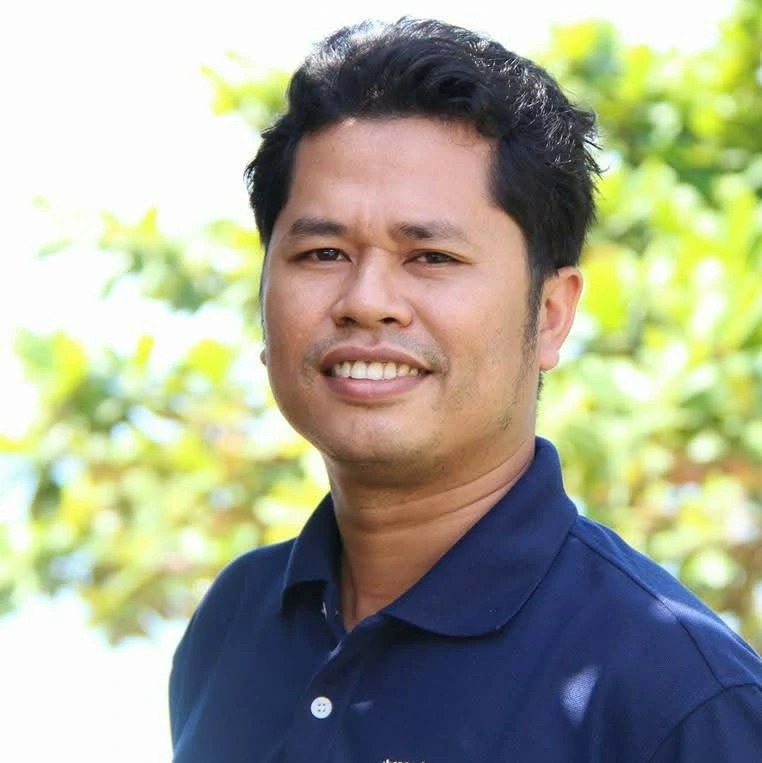
Sing Sophea, Cambodia
He brings over 20 years of professional experience in monitoring, evaluation, research, and learning (MERL), with strong sectoral expertise in education, gender equality and disability inclusion (GEDSI), youth development, health, governance, and community-based programming. He has contributed to multiple external evaluations and learning-focused reviews of donor-funded programs in Cambodia, applying Theory of Change–based approaches, mixed-methods analysis, and participatory evaluation techniques. His expertise includes integrating GEDSI into evaluation design, tools, sampling, and analysis, ensuring inclusive participation of girls, children with disabilities, and other marginalized groups. With deep knowledge of Cambodia’s education system, local policies, institutions, and community dynamics, he is well-positioned to support rigorous, culturally sensitive, and evidence-based evaluation processes that generate actionable recommendations for inclusive development programs.